
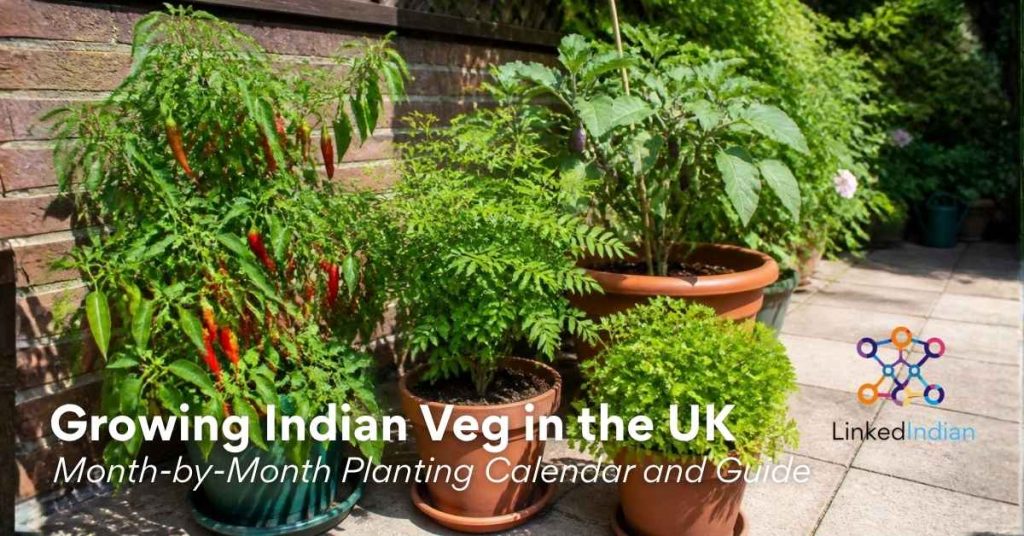
Welcome, fellow gardening enthusiasts! Are you an Indian expat, a British Indian, or simply a home gardener in the UK yearning for the authentic flavours of home-grown Indian vegetables and herbs? You’re in the right place. Growing your favourite produce in the UK can be incredibly rewarding, bringing a taste of tradition right to your kitchen.
While exploring the best vegetarian Indian restaurants in the UK is a delight, nothing compares to picking fresh curry leaves and chillies directly from your own garden. We all know the UK climate presents unique challenges, such as shorter summers and unexpected late frosts, but smart gardening techniques can help you to overcome them. With a bit of planning and care, you can successfully cultivate a vibrant Indian garden, whether it’s in your backyard, a greenhouse, or even on a balcony. This guide will help you navigate the seasons and maximise your harvest.
The Master UK Indian Growing Calendar
Understanding when to sow, plant, and harvest is crucial for a successful Indian garden in the UK. This calendar provides a clear overview, helping you plan your gardening year effectively. The ‘Sow Seeds / Plant’ column indicates the best time to start seeds, often indoors, while ‘Plant Outside’ suggests when to move young plants outdoors after the risk of frost has passed. ‘Harvest’ shows the typical period when your hard work will pay off.
| Plant | Sow Seeds / Plant | Plant Outside | Harvest |
|---|---|---|---|
| Tomatoes | Feb–Mar (indoors) | Mid–Late May | Jul–Oct |
| Green Chillies | Jan–Feb (indoors) | Late May | Jul–Oct |
| Bell Peppers | Feb (indoors) | Late May | Aug–Oct |
| Methi (Fenugreek) | Mar–Sep | — | 3–6 weeks |
| Garlic | Oct–Nov (best) or Feb–Mar | — | Jun–Aug |
| Cucumber | Apr–May (indoors) | Late May | Jul–Sep |
| Baingan (Aubergine) | Jan–Feb (indoors) | Late May | Aug–Oct |
| Dudhi (Bottle Gourd) | Apr (indoors) | Late May–Jun | Jul–Sep |
| Valor Papdi | Apr–May | May–Jun | Jul–Oct |
| Cherry Tree | Plant Nov–Mar | — | Jun–Jul (matured) |
| Coriander | Mar–Sep | — | 4–6 weeks |
| Spinach | Mar–Sep | — | 4–8 weeks |
| Mint | Plant Mar–May | — | Summer onwards |
| Ginger | Feb–Mar (indoors) | Late May (warm spot) | Sep–Oct |
| Turmeric | Feb–Mar (indoors) | Late May (warm spot) | Oct–Nov |
| Curry Leaf Plant | Buy in spring | Keep frost-free | Year-round leaves |
Top Tips for Heat-Loving Indian Vegetables
Many traditional Indian vegetables thrive in warmer climates. In the UK, providing extra warmth and protection is key to a bountiful harvest. Here are some specific tips for heat-loving varieties.
Green Chillies & Baingan (Aubergine)
These plants love warmth. Start your chilli and aubergine seeds indoors early, ideally in January or February. Using heat mats can significantly improve germination rates. A sunny windowsill or a heated propagator is perfect for young seedlings. Once late May arrives and the risk of frost has passed, gradually acclimatise your plants before moving them outdoors to a sheltered, sunny spot.
Dudhi (Bottle Gourd) & Valor Papdi
Bottle gourds and valor papdi are vigorous climbers. They require sturdy support to grow well. Provide strong trellises or netting for them to climb. Planting them against a warm, south-facing garden wall can offer additional shelter and warmth, encouraging better fruit development. Ensure they receive plenty of sunlight and consistent watering.
The Sacred Curry Leaf Plant (Kadi Patta)
The curry leaf plant is a staple in Indian cooking. In the UK, it needs special care to survive the colder months. Purchase your plant in spring. During summer, it can enjoy a sunny spot outdoors. However, it is crucial to overwinter your curry leaf plant indoors. Keep it in a frost-free environment, such as a conservatory or a bright room. Reduce watering in winter and feed it regularly during the growing season for lush, aromatic leaves.
Fast-Growing Herbs & Greens
Some Indian herbs and greens grow quickly, offering continuous harvests throughout the season. These are excellent choices for beginners and experienced gardeners alike.
Methi (Fenugreek) & Coriander
For a steady supply of fresh methi and coriander, practice successive sowing. Plant a small batch of seeds every few weeks from March through September. This method ensures you always have young, tender leaves available for cooking. Both thrive in well-drained soil and a sunny to partially shaded location.
Mint
Mint is incredibly easy to grow but can be invasive. To prevent it from taking over your garden, always grow mint in containers. This keeps its vigorous roots contained. Mint prefers a partially shaded spot and consistently moist soil. You can harvest its fragrant leaves from spring through to autumn.
Growing Indian Produce in Apartments & Rented Homes
Don’t have a large garden? No problem! Many Indian vegetables and herbs can thrive in containers, making them perfect for balconies, patios, and even windowsills. Choose appropriately sized pots with good drainage. Ensure your containers are placed in spots that receive adequate sunlight. Regular feeding and watering are essential for container-grown plants, as nutrients can deplete faster. For a great starter kit of self-watering planters you can try here.
Conclusion
Embarking on your journey to grow Indian vegetables and herbs in the UK is an exciting and rewarding endeavour. Start small, perhaps with some fast-growing herbs like coriander or mint. As you gain confidence, expand your repertoire to include heat-loving vegetables. The joy of harvesting your own authentic produce is unparalleled, bringing fresh flavours and a piece of home to your table. Happy gardening!
Affiliate Disclosure: This article contains affiliate links. If you purchase through these links, LinkedIndian may earn a commission at no extra cost to you.